
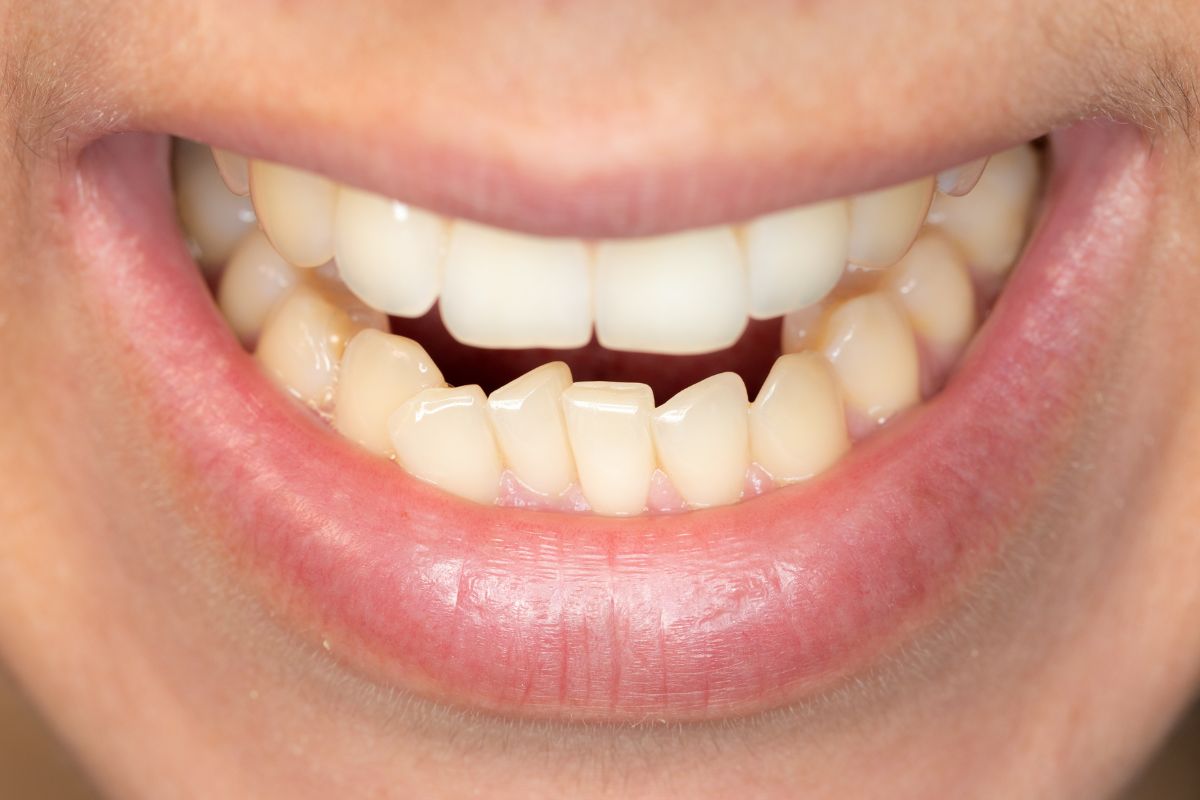
What Causes Crowded Teeth and How Are They Treated?
Crowded teeth can affect more than the appearance of your smile. When teeth do not have enough room to fit properly, they may overlap, twist, or grow at unusual angles. This can make brushing and flossing more difficult and may sometimes affect your bite. At Children’s Dental Specialists & Adult Dentistry, families in Warren, Chester, and Warrington, PA, can discuss alignment concerns with a dental and orthodontic team and learn about treatment options suited to their individual needs.
What Does Tooth Crowding Mean?
Tooth crowding occurs when there is not enough space in the mouth for teeth to line up properly. Instead of sitting neatly next to one another, some teeth may overlap, rotate, or sit behind or in front of neighboring teeth.
The condition can range from mild to severe. A person with mild crowding may have one or two teeth that overlap slightly. More significant cases can affect several teeth and may also influence how the upper and lower teeth meet.
This concern can develop in children, teenagers, and adults. In children, parents may first notice it as permanent teeth begin to replace baby teeth. Adults may notice changes later in life as teeth gradually shift.
The good news is that alignment problems can often be treated. Depending on the patient’s age, dental development, bite, and treatment goals, an orthodontist may recommend braces, clear aligners, or another approach.
What Causes Crowded Teeth?
Several factors can contribute to tooth crowding. In many cases, more than one factor plays a role.
Genetics and Jaw Development
Genetics can influence the size and shape of the jaw as well as the size of the teeth. A person may inherit larger teeth, a smaller dental arch, or a particular jaw shape from their parents.
When the available space does not match the amount of space the teeth require, overlapping can develop.
Family history may influence:
- Tooth size
- Jaw size
- Dental arch shape
- Facial growth
- Timing of tooth eruption
- Overall bite development
Having a family history of orthodontic problems does not mean that a child will definitely need treatment. However, it can make regular dental monitoring especially useful.
Early Loss of Baby Teeth
Baby teeth do more than help children chew and speak. They also help maintain space for permanent teeth.
When a primary tooth comes out too early because of decay, injury, or another dental problem, nearby teeth may move into the open space. This can leave less room for the permanent tooth that eventually needs to come through.
For this reason, caring for baby teeth remains important even though they will eventually fall out naturally.
Delayed Loss of Baby Teeth
A baby tooth that remains in place longer than expected can also interfere with normal tooth eruption.
A permanent tooth may have difficulty following its usual path if the primary tooth remains in the way. As a result, the permanent tooth may erupt at an unusual angle or position.
Regular dental examinations allow providers to monitor how a child’s teeth are developing and identify potential concerns early.
Extra Teeth
Some people develop additional teeth, known as supernumerary teeth. These teeth can occupy space that permanent teeth need.
In some cases, an X-ray may help a dentist or orthodontist identify an additional tooth that has not yet appeared in the mouth.
Childhood Oral Habits
Some childhood habits may influence the development and positioning of teeth when they continue for an extended period.
Examples include:
- Prolonged thumb sucking
- Long-term pacifier use
- Tongue thrusting
- Certain mouth-breathing patterns
These habits do not automatically cause alignment problems. However, persistent habits can sometimes affect dental development, so parents should discuss concerns with their child’s dental provider.
How Can Crowding Affect Your Dental Health?
Misaligned teeth can create tight spaces that are difficult to clean. A toothbrush may not reach every surface easily, and flossing between overlapping teeth can become challenging.
When plaque remains in areas that are difficult to access, the risk of cavities and gum problems may increase.
Tooth crowding can also affect the way the teeth meet during biting and chewing. Depending on the individual situation, certain teeth may experience more pressure or wear than others.
Possible concerns include:
- Difficulty brushing certain areas
- Difficulty flossing
- Food becoming trapped between teeth
- Increased plaque buildup
- Gum irritation
- Bite concerns
- Uneven tooth wear
- Smile concerns
Not everyone with an alignment problem will experience these issues. Good home care and regular dental visits remain important regardless of tooth position.
How Are Crowded Teeth Diagnosed?
The first step is an evaluation by a dentist or orthodontist. The provider looks at the position of the teeth, the bite, jaw development, and overall dental health.
For children, the timing of permanent tooth eruption is also important. A provider may monitor how the teeth are developing before deciding whether treatment should begin.
What Happens During an Orthodontic Evaluation?
Depending on the patient’s needs, an evaluation may include:
- Reviewing the dental and medical history.
- Examining the teeth and gums.
- Checking how the upper and lower teeth meet.
- Evaluating jaw development.
- Taking dental photographs.
- Using X-rays or other imaging when appropriate.
- Discussing treatment options and goals.
This information helps the orthodontic team understand the cause and severity of the alignment problem.
Braces Can Correct Complex Alignment Problems
Traditional braces remain a common treatment for many orthodontic concerns. Braces use brackets and wires to apply controlled pressure that gradually moves teeth into more appropriate positions.
They can address a variety of alignment and bite problems. They may be especially useful when a patient needs significant tooth movement or more comprehensive bite correction.
At Children’s Dental Specialists & Adult Dentistry, orthodontic treatment at the practice can be tailored to children, teens, and adults based on their individual alignment and bite needs.
Benefits of Traditional Braces
Depending on the patient’s situation, braces may:
- Improve tooth alignment
- Correct overlapping teeth
- Address certain bite problems
- Create a more balanced smile
- Make some areas easier to clean
- Improve dental function
Treatment time varies from person to person. The amount of movement required, age, bite concerns, and consistency with appointments can all affect the overall timeline.
Clear Aligners Offer a Discreet Alternative
Clear aligners provide another option for suitable patients. Instead of brackets and wires, patients wear a series of transparent, removable trays that gradually guide the teeth toward planned positions.
Children’s Dental Specialists & Adult Dentistry offers Invisalign® for appropriate orthodontic cases. The practice explains that Invisalign can address concerns such as crowding, spacing, and certain bite problems. Treatment begins with an evaluation so the provider can determine whether clear aligners are appropriate.
Clear aligners can be appealing to teenagers and adults who prefer a less noticeable treatment option.
What Are the Benefits of Clear Aligners?
For appropriate patients, clear aligners can offer:
- A discreet appearance
- Removable trays
- Easier brushing and flossing
- The ability to remove trays for meals
- A customized treatment plan
However, clear aligners are not ideal for every case. The complexity of the alignment problem, the amount of tooth movement required, age, and the patient’s ability to wear the aligners as instructed all matter.
An orthodontic evaluation can determine which option makes sense.
Why Early Orthodontic Evaluation Matters for Children
Parents do not necessarily need to wait until all permanent teeth have erupted before discussing alignment concerns.
An early evaluation allows an orthodontic professional to observe how the teeth and jaws are developing. In some cases, no immediate treatment is necessary. The provider may simply monitor growth and tooth eruption.
In other situations, early intervention may help address a developing concern at an appropriate stage.
Parents may want to ask about an orthodontic evaluation if they notice:
- Significant overlapping
- Permanent teeth coming in at unusual angles
- Difficulty biting or chewing
- An unusual bite
- Baby teeth remaining for longer than expected
- Difficulty cleaning certain areas
- Concerns about the child’s developing smile
An evaluation does not automatically mean that a child needs braces. It simply provides an opportunity to understand the child’s dental development.
Can Adults Develop Crowding?
Yes. Adults can have alignment concerns even if their teeth appeared straight during childhood.
Teeth naturally experience small changes over time. Some adults also notice shifting after completing orthodontic treatment, especially when they do not wear their retainers according to their orthodontist’s instructions.
Adults may also notice changes after losing teeth or experiencing other dental changes.
If you notice new overlapping, changes in your bite, or increasing difficulty cleaning between certain teeth, an orthodontic evaluation can help identify the cause.
Orthodontic treatment is not limited to teenagers. Many adults successfully use braces or clear aligners to improve tooth alignment and bite function.
How Long Does Treatment Take?
Treatment time depends on the individual case. A mild alignment concern may require less time than a complex case involving significant tooth movement and bite correction.
Factors that can affect treatment duration include:
- Severity of the alignment problem
- Treatment method
- Patient’s age
- Amount of tooth movement required
- Jaw development
- Bite relationship
- Consistency with appointments
- Proper use of orthodontic appliances
- Retainer compliance
Your orthodontic provider can give you a more specific estimate after examining your teeth and developing a treatment plan.
Why Retainers Are Important After Treatment
Orthodontic treatment does not end when the braces come off or the final aligner is completed.
Teeth can shift after active treatment. Retainers help keep them in their new positions while the surrounding tissues adapt.
Your orthodontist will explain how often you should wear your retainer and how to care for it. Following those instructions can help maintain your treatment results.
Skipping retainer use can allow teeth to gradually move, which may affect the appearance and alignment you worked to achieve.
When Should You Seek an Orthodontic Evaluation?
You do not have to wait until alignment problems become severe.
Consider discussing an orthodontic evaluation if you or your child has overlapping teeth, unusual tooth positions, difficulty cleaning between teeth, or changes in the bite.
Parents can also bring up concerns when permanent teeth appear to be erupting in unusual positions or when baby teeth do not fall out as expected.
The appearance of the smile alone does not determine whether treatment is necessary. An orthodontic evaluation provides a better understanding of tooth position, jaw development, and bite function.
Choosing the Right Treatment for Your Smile
Tooth crowding can develop because of genetics, jaw development, early or delayed loss of baby teeth, extra teeth, and certain childhood habits. The severity also varies from person to person.
Fortunately, modern orthodontic treatment provides several ways to improve alignment. Traditional braces can handle many complex cases, while clear aligners may provide a more discreet option for suitable patients.
Early evaluation can also help parents understand how a child’s teeth and jaws are developing before a problem becomes more difficult to manage.
At Children’s Dental Specialists & Adult Dentistry, children, teens, and adults can receive personalized dental and orthodontic care. Families in Warren, Chester, and Warrington, PA, can discuss alignment concerns and explore treatment options based on their individual needs.
Schedule an Orthodontic Appointment
If you or your child has overlapping teeth, difficulty cleaning between teeth, or concerns about bite development, schedule an orthodontic appointment with Children’s Dental Specialists & Adult Dentistry at the Warren, Chester, or Warrington, PA, office that is most convenient for you.