
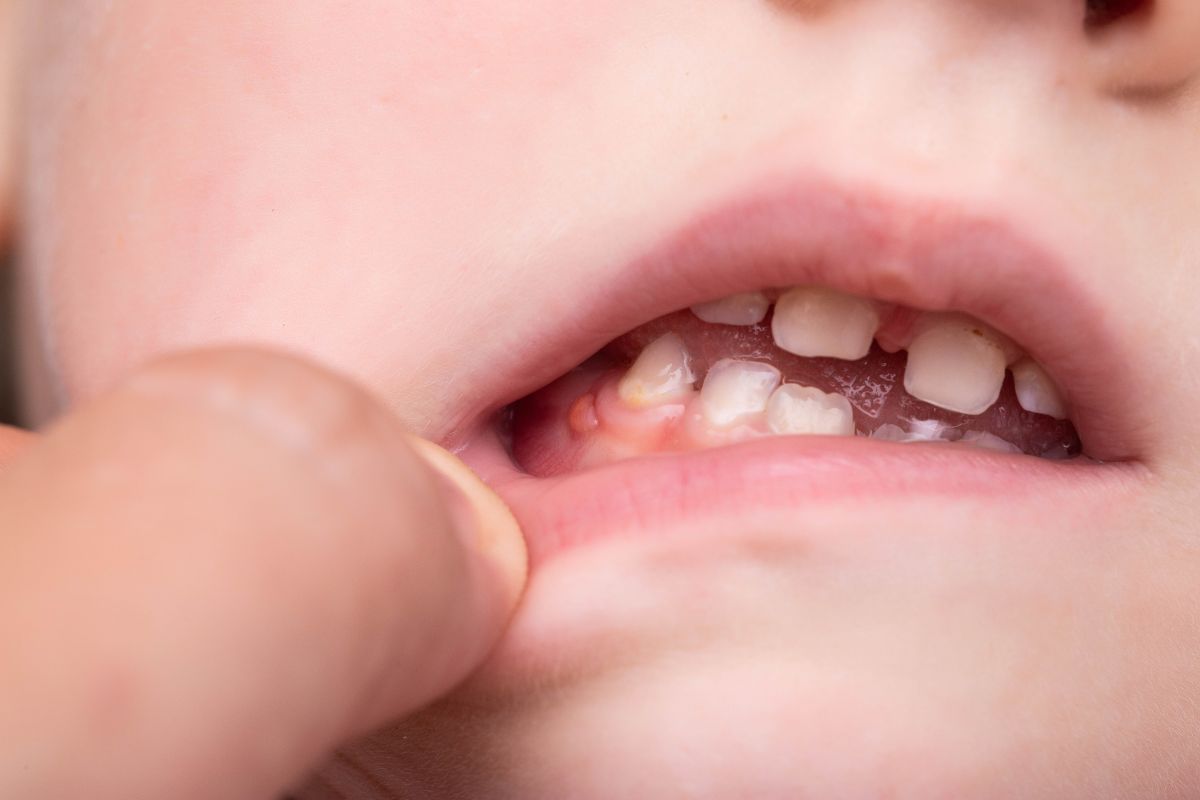
Swollen Gums Around a Child’s Tooth: Signs Parents Should Watch For
Swollen gums around a child’s tooth can worry any parent, especially when the area looks red or hurts during eating. Sometimes, the swelling appears as a new tooth pushes through the gums. In other cases, it may signal food buildup, gum irritation, or a dental infection. Children’s Dental Specialists & Adult Dentistry helps families in Warren, Chester, and Warrington understand dental symptoms and choose the right next step.
The cause matters because not all gum swelling needs the same treatment. Mild irritation may improve with careful cleaning, while swelling linked to infection needs prompt professional attention. In addition, children may struggle to explain exactly what hurts, so changes in eating, brushing, and behavior can offer important clues.
Knowing which symptoms to watch for can help you respond early and protect your child’s growing smile.
What Causes Swollen Gums Around a Child’s Tooth?
Gum tissue can swell when it becomes irritated or inflamed. This may happen during tooth eruption, when plaque collects near the gumline, or when bacteria affect the tooth or surrounding tissue.
The location of the swelling can offer clues. For example, a small raised area over an erupting tooth may look different from swelling around a tooth with decay. However, appearance alone cannot confirm the cause.
Pay attention to when the swelling started, whether it hurts, and whether your child has other symptoms. If the swelling persists or gets worse, arrange a dental examination rather than waiting for it to disappear.
Common Reasons a Child’s Gums May Swell
1. A Baby Tooth or Permanent Tooth Is Erupting
As a tooth moves through the gums, the surrounding tissue may become tender, red, or slightly swollen. This can happen when baby teeth first appear and again when permanent teeth begin to erupt.
Your child may:
- Chew on fingers or toys.
- Complain that the gum feels sore.
- Avoid foods that require firm chewing.
- Show mild redness near the emerging tooth.
These symptoms often improve as the tooth emerges. Still, significant swelling, fever, pus, or worsening pain should not be treated as routine teething.
2. Plaque Buildup and Gum Inflammation
Plaque is a sticky layer of bacteria that forms on teeth. When brushing does not remove it regularly, the gums may become red, swollen, and prone to bleeding.
Children may miss the gumline or avoid brushing a tender area. As a result, plaque can build up and make the irritation worse.
Help your child brush twice daily with a soft-bristled toothbrush and use age-appropriate fluoride toothpaste. In addition, supervise brushing until your child can clean all tooth surfaces effectively.
3. Food Trapped Between Teeth
Small pieces of food can lodge between teeth or near the gumline. This can irritate the tissue and cause localized swelling or discomfort.
If your child says that one spot hurts after eating, gently check the area. You can help remove trapped food with careful flossing if your child tolerates it.
Never use sharp objects to dig into the gum. If the area remains swollen or painful after cleaning, contact a dentist.
4. A Cavity or Dental Abscess
A cavity can allow bacteria to reach deeper parts of the tooth. If the infection spreads into the surrounding tissue, the gum may swell and become painful.
A dental abscess may cause:
- A tender bump near the tooth.
- Pus or a bad taste in the mouth.
- Persistent or worsening tooth pain.
- Swelling of the cheek or jaw.
- Fever or a general feeling of illness.
These symptoms require prompt dental evaluation. A dental infection does not always cause severe pain at first, so do not rely on pain level alone to judge the problem.
5. Injury to the Gums or Tooth
A fall, sports injury, or accidental bump can damage a child’s teeth and gums. Even if a tooth looks intact, an injury may cause swelling, bleeding, or tenderness.
If your child has a mouth injury, check for broken teeth, changes in tooth position, or bleeding that does not stop. Contact a dentist promptly for advice, particularly if a permanent tooth has moved or broken.
6. Irritation From Brushing or Dental Appliances
Brushing too hard can irritate the gum tissue. Dental appliances may also rub against the gums if they do not fit well or if a child has difficulty cleaning around them.
Use gentle brushing movements and ask your dental team to check an appliance that causes persistent soreness. Do not attempt to reshape an appliance at home.
How Can You Help Your Child at Home?
Home care can support comfort while you arrange dental advice. However, it cannot treat an abscess or repair a damaged tooth.
Try the following:
- Clean gently: Use a soft toothbrush to remove plaque without scrubbing the swollen area.
- Offer soft foods: Choose foods that do not press heavily against the tender gum.
- Use a cold compress: Place a cold pack wrapped in a cloth against the outside of the cheek if swelling follows a minor injury.
- Encourage fluids: Water helps keep your child’s mouth comfortable and supports hydration.
- Follow medicine directions: Ask a healthcare professional about appropriate pain relief and pediatric dosing.
- Avoid home remedies that burn or irritate: Do not apply aspirin, alcohol, or concentrated essential oils directly to the gums.
If your child has recent dental surgery, follow the care instructions provided by the dental team instead of starting a new rinsing or cleaning routine.
When Should You Seek Dental Care?
Contact a dentist if the swelling lasts more than a short period, keeps returning, or interferes with eating and brushing. Also, arrange an examination when you notice bleeding, a tender bump, or pain near a tooth.
Seek urgent dental care for swelling that grows quickly, pus, severe pain, or fever alongside dental symptoms. If facial or neck swelling affects breathing or swallowing, seek emergency medical care immediately.
The American Academy of Pediatric Dentistry explains the importance of timely care for children’s oral health.
What Will the Dentist Check?
The dentist will ask when the swelling began and whether your child has pain, fever, or a recent injury. Next, the dentist will examine the gums, teeth, and surrounding tissues.
Depending on the findings, the visit may include:
- Checking for erupting teeth and gum inflammation.
- Looking for cavities, cracks, or signs of infection.
- Examining the area for trapped food or injury.
- Taking dental X-rays when needed.
- Explaining the recommended treatment and home-care steps.
Treatment depends on the cause. Eruption-related discomfort may need monitoring, while plaque-related inflammation may improve with professional cleaning and better brushing. An abscess may require treatment to address the infected tooth or surrounding tissue.
How Can Parents Help Prevent Gum Problems?
A consistent oral care routine can reduce plaque and help parents spot changes early.
- Brush your child’s teeth twice a day with fluoride toothpaste in the appropriate amount for their age.
- Help children clean between teeth when the spaces are tight.
- Limit frequent sugary snacks and drinks.
- Keep regular dental appointments.
- Encourage your child to report pain rather than hide it.
- Check the gums during everyday brushing for new redness, swelling, or bleeding.
These habits cannot prevent every dental problem. Nevertheless, they help support healthy gums and make changes easier to notice.
Do Not Ignore Persistent Gum Swelling
Swollen gums around a child’s tooth may result from normal eruption, plaque buildup, trapped food, injury, or infection. Mild irritation may improve with gentle cleaning, but persistent swelling, pus, fever, or worsening pain needs professional attention.
If your child’s gums look swollen or feel painful, schedule an appointment with Children’s Dental Specialists & Adult Dentistry at the Warren, Chester, or Warrington location. The dental team can assess the cause and recommend care that supports your child’s comfort and oral health.