
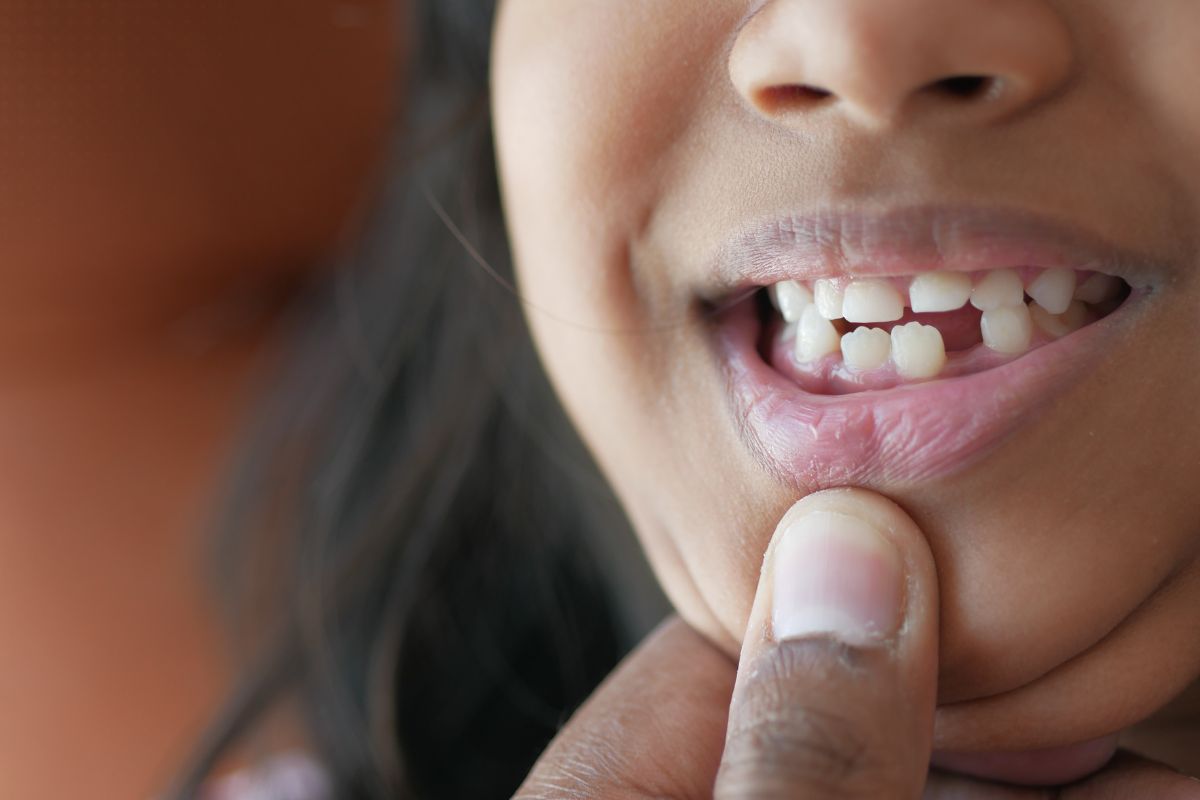
Missing Permanent Teeth in Children: Causes and Possible Problems
When a baby tooth falls out, parents usually expect a permanent tooth to appear in its place. However, sometimes the new tooth does not emerge when expected. Missing permanent teeth in children can have several causes, ranging from delayed eruption to a tooth that never developed. Children’s Dental Specialists & Adult Dentistry serves families in Warren, Chester, and Warrington and helps parents understand changes in their children’s developing smiles.
A permanent tooth that has not appeared does not always mean the child has a missing tooth. It may sit beneath the gums, develop slowly, or need more room to emerge. In other cases, the tooth may never have formed.
The distinction matters because each situation calls for a different approach. Early evaluation can help identify the cause, protect nearby teeth, and guide decisions about future dental care.
What Does It Mean When a Permanent Tooth Is Missing?
Children gradually replace their baby teeth with permanent teeth. This process takes several years, and the timing varies from child to child. If a permanent tooth does not appear, the first step is to determine whether it exists and whether it can erupt normally.
A trusted dental professional can review your child’s dental development, examine the mouth, and recommend X-rays when needed. These images can help show whether a permanent tooth is present beneath the gums.
Delayed Eruption vs. A Tooth That Never Developed
Delayed eruption means the permanent tooth exists but has not emerged yet. It may need more time, or an obstacle may be affecting its path.
Congenitally missing teeth occur when one or more permanent teeth never develop. This can affect the baby teeth that normally make way for them and may influence spacing or bite development.
A dental examination helps distinguish these possibilities. Parents should not assume that a tooth is absent simply because it has not appeared by a certain date.
What Causes Permanent Teeth to Be Missing or Delayed?
Several factors can explain why a permanent tooth has not emerged. The dentist will consider your child’s age, dental history, and the position of the other teeth.
1. The Permanent Tooth Develops Later Than Expected
Children do not all follow the same eruption schedule. A permanent tooth may emerge later than expected while still developing normally.
If your child has no pain or swelling, the dentist may recommend monitoring the area. However, a noticeable difference between the two sides of the mouth or a long delay after a baby tooth falls out deserves assessment.
2. The Permanent Tooth Never Formed
Some children naturally develop fewer permanent teeth than usual. The condition is known as tooth agenesis when teeth fail to develop.
The pattern can vary. A child may lack one permanent tooth or several. The missing teeth often involve certain teeth more frequently than others, but a dental examination is necessary to confirm which teeth have developed.
The cause may involve inherited factors or other developmental influences. A family history of missing teeth can be useful information to share with the dentist, although it does not prove that your child has the same condition.
3. An Obstruction Blocks the Tooth
Sometimes, a permanent tooth forms but cannot follow a normal path into the mouth. Crowding, an extra tooth, or another obstruction may interfere with eruption.
The child may have a baby tooth that remains in place long after nearby baby teeth have fallen out. In other cases, the gum may cover the area without showing a clear sign of the problem.
Dental imaging can help the dentist assess the tooth’s position and identify possible obstacles.
4. The Baby Tooth Remains in Place
When a permanent tooth does not develop underneath a baby tooth, the baby tooth may remain in the mouth longer than usual. This does not automatically mean the baby tooth must come out.
In some cases, the retained baby tooth can continue to function for years. However, its long-term condition depends on the roots, surrounding bone, decay risk, and bite.
Your dentist can monitor the tooth and discuss options if it becomes loose, damaged, infected, or unable to function properly.
5. Injury or Other Developmental Factors
An injury to a baby tooth can sometimes affect the developing permanent tooth nearby. Certain medical or developmental conditions may also influence tooth eruption.
If your child has a history of dental trauma, tell the dentist during the examination. This information may help explain changes in the timing or position of the permanent tooth.
What Problems Can Missing Permanent Teeth Cause?
A missing permanent tooth may not cause immediate discomfort. However, it can affect the way nearby teeth develop and function over time.
Changes in Tooth Spacing
When a permanent tooth does not emerge, neighboring teeth may drift into the open space. This can change the spacing and alignment of the dental arch.
The effect depends on which tooth is missing and how the remaining teeth fit together. In some children, the space stays open. In others, nearby teeth shift and reduce the room available for future treatment.
Changes in the Bite
The upper and lower teeth work together during chewing. If a tooth is missing, the way the teeth meet may change.
The impact varies based on the tooth’s location and the child’s overall bite. Some children function comfortably, while others may develop spacing or alignment issues that need monitoring.
Difficulty Chewing Certain Foods
A missing tooth can affect chewing, especially when several teeth are absent or when the missing tooth plays an important role in biting. Children may adjust how they chew, but persistent difficulty deserves assessment.
Tell your dentist if your child avoids certain foods, chews mainly on one side, or reports discomfort while eating.
Effects on Appearance and Confidence
Missing teeth near the front of the mouth may affect the appearance of a child’s smile. Some children may feel self-conscious, particularly as they grow older and become more aware of their appearance.
A supportive conversation can help your child feel comfortable discussing the concern. Your dentist can explain age-appropriate options and whether treatment should begin now or wait until development progresses.
Impact on Future Dental Treatment
Missing teeth may influence orthodontic planning and the choice of future restorations. For example, a dentist may recommend preserving space for a future replacement or guiding nearby teeth into a planned position.
However, not every missing tooth requires immediate replacement. The treatment plan depends on the child’s age, growth, bite, and the number and location of missing teeth.
How Do Dentists Diagnose Missing Permanent Teeth?
The dentist will review your child’s dental history and examine the mouth. They may ask when the baby tooth fell out, whether the child has had an injury, and whether other family members have missing teeth.
If the examination cannot confirm the cause, dental X-rays may show whether the permanent tooth exists beneath the gums and where it sits. The dentist can then determine whether the tooth needs more time, has an eruption problem, or never developed.
The American Academy of Pediatric Dentistry provides additional information about children’s oral health and development through its parent FAQ resources.
What Treatment Options May Be Available?
Treatment depends on the cause, the child’s stage of growth, and the effect on the bite.
- Monitoring: If the tooth is developing normally and no problem requires immediate treatment, the dentist may track its progress.
- Removing an obstruction: If another tooth or structure blocks eruption, the dental team may discuss ways to address the obstruction.
- Orthodontic treatment: Braces or other appliances may help manage spacing and guide teeth into suitable positions.
- Preserving a baby tooth: When a permanent replacement never formed, keeping a healthy baby tooth may help maintain function and space.
- Planning for replacement: Depending on growth and dental needs, the team may discuss future options for replacing a missing tooth. Definitive replacement often requires careful timing while the jaw is still developing.
No single option suits every child. The dentist will explain the advantages, limits, and timing of the available approaches.
What Can Parents Do Now?
If you think a permanent tooth has not appeared, avoid trying to diagnose the problem at home. Instead, track the timing and share your observations during a dental visit.
You can help by:
- Keeping regular dental checkups.
- Telling the dentist when the baby tooth fell out.
- Mentioning any previous mouth injuries.
- Maintaining daily brushing and flossing.
- Watching for pain, swelling, or changes in the bite.
- Asking whether dental X-rays or follow-up visits are appropriate.
Seek prompt care if your child develops pain, swelling, fever, or signs of infection around the area.
Early Evaluation Helps Guide Healthy Dental Development
A permanent tooth that has not appeared may be delayed, blocked from erupting, or absent because it never developed. Although some children need only monitoring, others may benefit from orthodontic planning or treatment to protect their bite and spacing.
If your child has a missing or delayed permanent tooth, schedule an appointment with Children’s Dental Specialists & Adult Dentistry at the Warren, Chester, or Warrington location. The team can evaluate your child’s development and help you understand the next steps for a healthy, functional smile.