
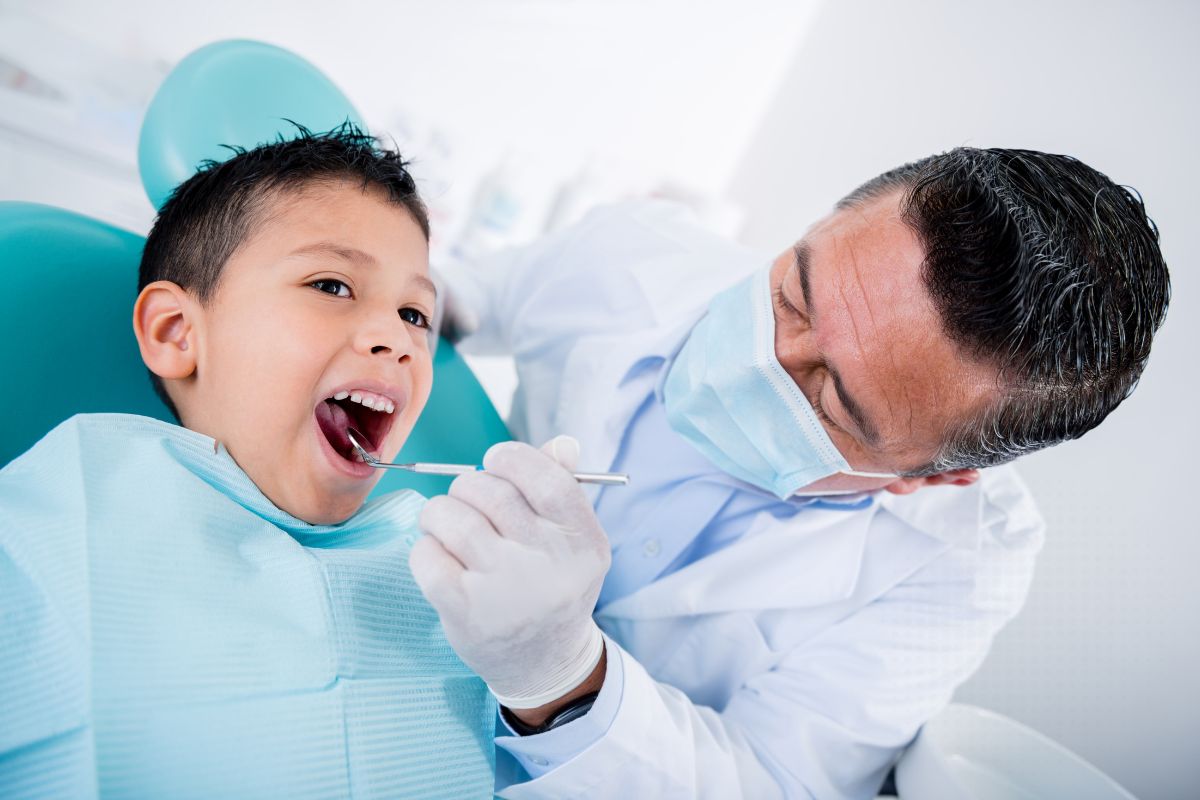
How Often Should Kids Go to the Dentist? A Parent’s Guide
If you are wondering how often should kids go to the dentist, a good starting point is regular checkups every six months. However, every child has different oral health needs. At Children’s Dental Specialists & Adult Dentistry, families in Warren, Chester, and Warrington can build a consistent preventive care routine that supports healthy smiles as children grow.
Regular visits are about more than checking for cavities. They give your child’s dental team an opportunity to monitor tooth development, identify concerns early, provide preventive care, and help your child feel comfortable with dental appointments. The American Academy of Pediatric Dentistry recommends establishing a dental home by 12 months of age, with follow-up visits generally every six months or based on a child’s individual risk.
Why Regular Dental Visits Matter for Kids
Children’s teeth change quickly. Baby teeth appear, permanent teeth begin to develop, and the jaw changes as a child grows. Because of these changes, routine appointments can help parents stay ahead of potential problems.
A checkup can help identify:
- Early signs of tooth decay
- Plaque and tartar buildup
- Gum concerns
- Changes in tooth alignment
- Problems with the way the teeth come together
- Habits that may affect oral development
- Areas that need additional preventive care
- Oral injuries or other developing concerns
At Children’s Dental Specialists & Adult Dentistry, a kids-friendly dentist can also make appointments easier for children who feel nervous or unsure about dental care. The practice offers child-focused behavior management and personalized approaches based on a child’s development, treatment needs, and comfort level.
When Should a Child Have Their First Dental Visit?
Your child does not need to wait until all their baby teeth appear.
The AAPD recommends that a child have their first dental examination when the first tooth erupts and no later than their first birthday. The goal is to establish a dental home early and give parents guidance before small concerns become bigger problems.
This first visit also gives parents a chance to discuss everyday habits, including:
- How to clean an infant’s gums
- When to begin brushing
- How much fluoride toothpaste to use
- Bottle and feeding habits
- Thumb-sucking or pacifier use
- Teething concerns
- Healthy food and drink choices
- How to handle an oral injury
Early appointments can also help children become familiar with the sights, sounds, and routines of a dental office. That familiarity may make future visits feel more normal.
How Often Should Children Have Checkups?
For many children, a visit every six months provides a useful routine. The AAPD’s current periodicity schedule recommends repeat visits every six months or at an interval determined by the child’s risk of oral disease.
However, six months is not a rule that fits every child.
A child may need more frequent visits when they have:
- A history of cavities
- Higher risk for tooth decay
- Enamel problems
- Gum concerns
- Orthodontic or bite-related concerns
- Special health care needs
- Certain oral habits
- Recent dental injuries
- Treatment that requires closer monitoring
Therefore, parents should follow the recall schedule recommended for their child rather than relying only on a calendar reminder.
What Happens During a Routine Visit?
Parents sometimes wonder what actually happens during a child’s appointment. The answer can vary depending on age and individual needs, but preventive visits commonly involve several simple steps.
1. Oral Examination
The dental team examines the teeth, gums, and surrounding areas for signs of problems. They may also monitor how the teeth are developing and whether the child’s bite appears to be progressing normally.
2. Professional Cleaning
If appropriate for the child, the visit may include cleaning to remove plaque and hardened buildup that regular brushing cannot fully remove.
3. Preventive Guidance
Children can receive age-appropriate advice about brushing, flossing, food choices, mouthguards, and other daily habits. Children’s Dental Specialists & Adult Dentistry specifically includes education as part of pediatric care, helping children understand how to care for their smiles at home.
4. Discussion With Parents
Parents can ask questions about anything they have noticed, from tooth sensitivity to grinding or changes in tooth position.
If the team identifies a concern, they can explain the next steps and discuss preventive options when appropriate.
Why Baby Teeth Need Regular Care
Some parents assume that cavities in baby teeth do not matter because those teeth eventually fall out. That idea can lead to delayed care.
Baby teeth help children chew food, speak clearly, and maintain space for developing permanent teeth. Untreated decay can also cause discomfort and interfere with eating, sleeping, and daily activities.
The AAPD recognizes early childhood caries as an important childhood oral health concern and recommends early preventive care, risk assessment, oral hygiene guidance, and dietary counseling.
For this reason, parents should take baby teeth seriously from the moment the first tooth appears.
Daily Habits Between Dental Visits
Professional care works best when it supports a good home routine. What happens between appointments can have a major effect on a child’s oral health.
Parents can help by making these habits part of the daily schedule:
- Brush twice a day with fluoride toothpaste appropriate for the child’s age.
- Help younger children brush instead of expecting them to manage everything alone.
- Begin flossing when teeth touch each other.
- Limit frequent sugary snacks and drinks.
- Encourage water as a regular drink.
- Replace toothbrushes when the bristles become worn.
- Use a properly fitted mouthguard for children involved in contact or high-impact sports.
- Encourage children to tell an adult when a tooth hurts or feels different.
The ADA recommends beginning twice-daily brushing with a small amount of fluoride toothpaste when baby teeth erupt, using a rice-sized smear for children younger than 3 and a pea-sized amount for children ages 3 to 6.
Signs Your Child May Need a Visit Sooner
Even if your child recently had a routine checkup, certain symptoms should not wait for the next scheduled appointment.
Contact the dental office if your child experiences:
- Tooth pain that continues or becomes stronger
- Swelling around the gums or face
- A broken or chipped tooth
- A knocked-out permanent tooth
- Unusual sensitivity
- Bleeding or swollen gums
- A dental injury during sports or play
- Difficulty chewing
- A noticeable change in the position of a tooth
A child does not have to wait six months when a new concern appears. Regular checkups support prevention, but prompt evaluation matters when symptoms or injuries occur.
Making Dental Visits Easier for Children
A positive experience can help children develop healthy attitudes toward oral care.
Parents can make appointments easier by using simple, positive language. Instead of describing treatment as scary or painful, explain that the dental team will count and clean the teeth and help keep the smile healthy.
It can also help to:
- Choose an appointment time when your child is rested.
- Bring a favorite comfort item when appropriate.
- Let your child ask questions.
- Avoid using dental treatment as a threat or punishment.
- Praise your child for cooperating.
- Keep regular appointments instead of waiting until a problem appears.
Children’s Dental Specialists & Adult Dentistry uses child-focused behavior management to help children feel comfortable and confident during care. Recommendations can be personalized according to the child’s health history, emotional development, intellectual development, and treatment needs.
What About Older Kids and Teens?
The need for regular care does not disappear when children become more independent.
Older children and teenagers face different oral health challenges. Sports, orthodontic treatment, changing eating habits, oral hygiene routines, and increased independence can all affect their smiles.
During these years, parents can encourage teens to take greater responsibility while still checking that important habits remain consistent.
Topics that may become more important include:
- Proper brushing and flossing
- Sports mouthguards
- Orthodontic care
- Wisdom tooth development
- Sugary drinks and snacks
- Gum health
- Tobacco and nicotine avoidance
- Long-term oral hygiene habits
Regular appointments also give teens a chance to ask questions privately and learn how daily choices can affect their oral health.
A Simple Schedule Parents Can Follow
Keeping the schedule simple can make preventive care easier.
Infants
Plan the first visit by age one or within six months after the first tooth appears.
Toddlers and Preschoolers
Continue routine appointments, commonly every six months, while following the individualized schedule recommended for your child.
School-Age Children
Maintain regular preventive visits and pay attention to changes in tooth development, oral hygiene, sports activities, and bite development.
Teenagers
Continue routine care while encouraging teens to take more responsibility for brushing, flossing, nutrition, and other daily habits.
Remember that this schedule serves as a general guide. Your child’s oral health history and risk level may call for a different interval.
The Goal Is Prevention, Not Just Treatment
One of the biggest benefits of regular pediatric dental care is the opportunity to prevent problems before they become complicated.
A routine appointment can help a child learn better brushing habits, allow the dental team to monitor development, and give parents useful information about nutrition and oral hygiene. The AAPD describes a dental home as an ongoing relationship that includes preventive, acute, and comprehensive care tailored to a child’s needs.
That ongoing relationship matters because children do not have the same oral health needs at every age.
So, how often should kids go to the dentist? For many children, every six months is a practical routine, but the right schedule depends on age, oral health, development, and individual risk. The first visit should happen by age one, and children should continue receiving regular preventive care as they grow.
If your child is due for a checkup, schedule an appointment with Children’s Dental Specialists & Adult Dentistry at one of our convenient locations in Warren, NJ, Chester, NJ, or Warrington, PA, and give your child’s growing smile the preventive care it deserves.