
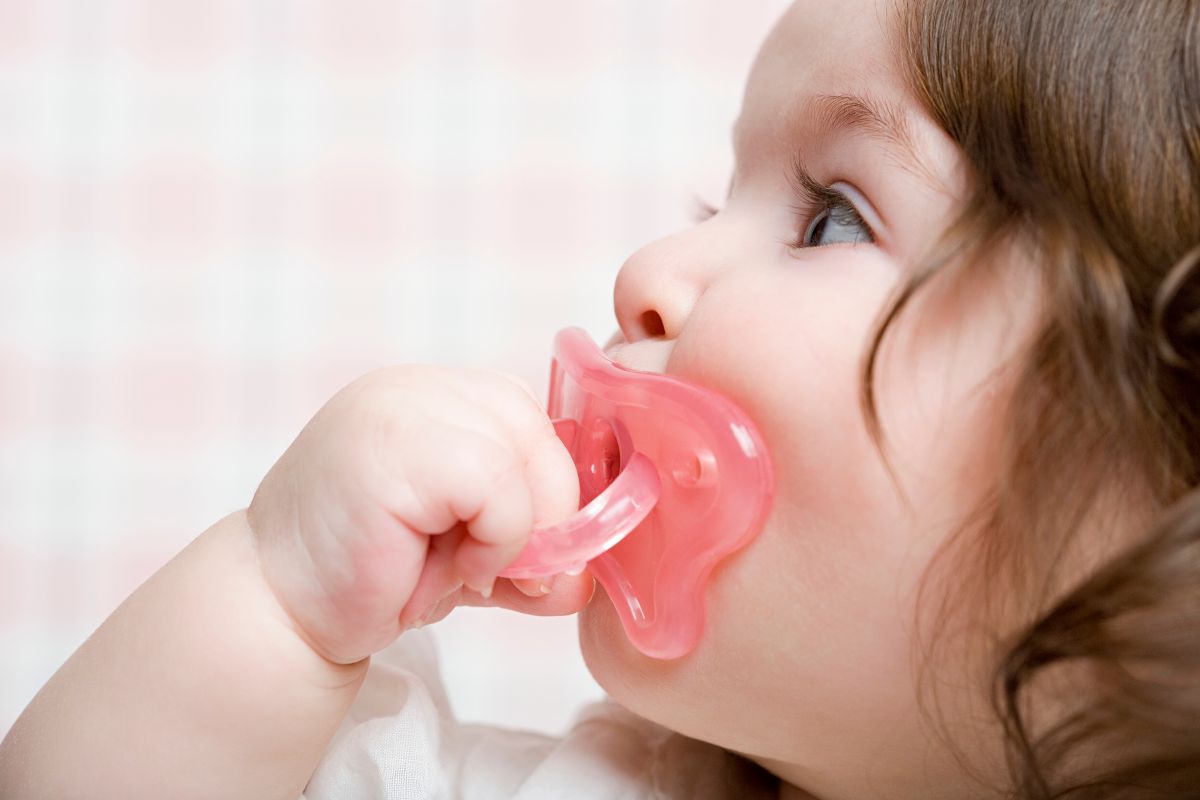
Thumb-Sucking and Pacifier Habits: When to Worry
Thumb-sucking and pacifier habits are common during early childhood, and many parents eventually wonder when a comforting habit becomes a reason for concern. Babies and young children often suck their thumbs or use pacifiers because these actions help them feel calm, secure, and relaxed.
However, as your child grows, you may begin wondering whether these habits could affect their teeth, bite, or jaw development. This concern becomes more important when the habit continues for several years or happens frequently throughout the day. At Children’s Dental Specialists & Adult Dentistry, we understand that every child develops at their own pace, and personalized guidance can help parents make confident decisions about their child’s oral health.
Why Do Children Develop These Habits?
Sucking is a natural reflex for babies. In fact, many infants begin sucking before birth. After birth, sucking can provide comfort even when a child is not hungry.
Children may continue these habits because they:
- Feel calm and secure
- Use sucking as a way to fall asleep
- Find comfort during stressful situations
- Follow an established daily routine
- Associate the habit with relaxation
For many young children, there is no immediate reason to worry. The main concern usually depends on how long, how often, and how intensely a child sucks their thumb or uses a pacifier.
When Are Thumb-Sucking and Pacifier Habits Usually Normal?
Thumb-sucking and pacifier habits are generally normal during infancy and early childhood. Many children naturally reduce these behaviors as they become more independent and find other ways to comfort themselves.
A habit that happens occasionally may create less pressure on developing teeth than one that occurs frequently and forcefully.
For example, a child who briefly uses a pacifier before bedtime may have a different risk level than a child who sucks their thumb for several hours every day.
Age Makes a Difference
The younger the child, the less likely the habit has caused lasting dental changes. However, prolonged habits can become more concerning as a child’s teeth and jaws continue to develop.
Many children gradually stop on their own during the early years. If the habit continues as a child gets older, parents may benefit from discussing it with a dental professional.
The Importance of Regular Dental Visits
A pediatric dentist can monitor your child’s teeth and jaw as they grow. At Children’s Dental Specialists & Adult Dentistry, families can receive personalized guidance about thumb-sucking and pacifier habits based on their child’s age, dental development, and daily routine. Early guidance can make it easier to address concerns before they become more complicated.
When Should Parents Start to Worry?
Not every sucking habit creates a dental problem. Still, certain signs may suggest that the habit is affecting your child’s oral development.
You may want to speak with a dentist if your child:
- Continues the habit as they get older
- Sucks their thumb or uses a pacifier very frequently
- Applies strong pressure while sucking
- Has noticeable changes in tooth alignment
- Develops changes in the shape of the roof of the mouth
- Has difficulty closing the front teeth together properly
- Struggles to stop despite getting older
The intensity of the habit matters just as much as its duration. A gentle, occasional habit may have less impact than frequent, vigorous sucking.
Therefore, parents should look at the overall pattern instead of focusing only on a child’s age.
How Can These Habits Affect Teeth and Jaw Development?
Prolonged thumb-sucking and pacifier habits can place repeated pressure on the teeth and mouth. Over time, this pressure may influence how the teeth grow and align.
Changes in Tooth Alignment
One possible concern is that the front teeth may gradually move forward or fail to meet properly when the mouth closes.
Some children may develop an open bite, where the upper and lower front teeth do not touch when the jaws close.
Other changes may include:
- Front teeth that appear pushed outward
- Changes in the position of the upper or lower teeth
- Spacing between teeth
- Difficulty achieving a normal bite
Changes to the Roof of the Mouth
Frequent sucking can also affect the shape of the palate, especially when the habit continues for a long time.
Because a child’s mouth is still developing, repeated pressure may influence the way oral structures grow. This is one reason regular dental checkups are valuable during childhood.
Speech and Oral Function Concerns
Dental changes can sometimes affect more than appearance. Depending on the child and the severity of the changes, oral habits may also contribute to challenges involving speech or normal tongue positioning.
A dental professional can evaluate your child’s oral development and recommend appropriate guidance when necessary.
Thumb vs. Pacifier: Is One Better?
Parents often ask whether sucking a thumb is worse than using a pacifier. Both habits can affect dental development when they continue for too long or occur frequently.
However, there is one practical difference.
A pacifier can eventually be removed, while a thumb is always available.
That can make thumb-sucking more difficult to stop for some children. On the other hand, every child is different, and some children may have a stronger attachment to a pacifier.
Instead of focusing only on which habit is “better,” consider these questions:
- How often does your child engage in the habit?
- How strongly do they suck?
- Does the habit happen mainly at bedtime?
- Is your child becoming ready to stop?
- Have you noticed changes in their teeth?
A personalized discussion with a dental professional can help you understand what makes sense for your child.
How to Help Your Child Break the Habit
Helping a child stop thumb-sucking and pacifier habits requires patience. Pressure, punishment, or embarrassment can make the process more stressful.
Instead, try to understand when and why your child relies on the habit.
Identify Common Triggers
Some children engage in sucking behaviors when they feel:
- Tired
- Anxious
- Bored
- Upset
- Lonely
- Ready for sleep
Once you identify the trigger, you can offer another source of comfort or distraction.
For example, a child who relies on the habit before bedtime may benefit from a consistent nighttime routine with a favorite story, stuffed animal, or calming activity.
Use Positive Reinforcement
Praise can be more effective than criticism.
Consider celebrating small successes, such as:
- Going through part of the day without the habit
- Falling asleep without sucking
- Using another coping strategy
- Reaching a weekly goal
You can also create a simple reward chart for younger children. The goal should be encouragement, not perfection.
Involve Your Child in the Process
Older children may respond better when they feel involved in the decision.
Talk with your child about why they want to stop. Keep the conversation positive and age-appropriate.
Instead of saying, “You have to stop,” try asking:
“What could help you feel comfortable without your thumb or pacifier?”
Giving children some control can make the transition feel less overwhelming.
What Not to Do When Breaking the Habit
Parents naturally want quick results. However, certain approaches can make the process harder.
Try to avoid the following.
Shaming or Embarrassing Your Child
Negative comments may increase stress. Since many children use sucking as a coping mechanism, stress can sometimes make the habit stronger.
Punishing Every Slip
Breaking a habit takes time. Occasional setbacks are normal and do not mean your child has failed.
Comparing Your Child to Others
Every child develops differently. Comparing siblings or friends may create unnecessary pressure.
Instead, focus on your child’s progress and needs.
When Should You Talk to a Pediatric Dentist?
If you notice changes in your child’s teeth, bite, or jaw, schedule a dental evaluation. You should also seek professional guidance if your child continues the habit beyond the typical early childhood period.
A pediatric dentist can evaluate:
- Tooth alignment
- Bite development
- Jaw growth
- The intensity and frequency of the habit
- Possible effects on oral development
The earlier you understand what is happening, the easier it may be to choose an appropriate next step.
Regular dental care also gives your child an opportunity to become comfortable with dental visits while their smile is still developing.
How a Personalized Approach Can Help
There is no single method that works for every child. Some children stop quickly with encouragement, while others need more time and professional support.
At Children’s Dental Specialists & Adult Dentistry, personalized care can help families better understand their child’s oral development and individual needs.
A professional evaluation can help parents determine whether a habit is likely to resolve naturally or whether it may require additional attention.
Know When to Watch and When to Act
Thumb-sucking and pacifier habits are often a normal part of early childhood. In many cases, children naturally grow out of them. However, habits that continue frequently, intensely, or for a long period may affect tooth alignment and oral development.
The most important factors are your child’s age, the frequency of the habit, and the amount of pressure involved. Therefore, paying attention to changes in your child’s teeth and bite can help you recognize when it may be time for professional guidance.