
When Does a Child Need Nitrous Oxide vs. No Sedation at All?
Choosing the right level of comfort for a dental visit can feel overwhelming for parents. Understanding when nitrous oxide for kids may help, versus when no sedation is necessary, can make the decision easier. At Children’s Dental Specialists & Adult Dentistry, families throughout New Jersey & Pennsylvania can receive personalized guidance based on their child’s comfort, needs, and planned dental treatment.
Every child responds differently to dental care. Some children sit comfortably through an examination or treatment with simple reassurance and encouragement. Others may feel nervous, have trouble sitting still, or struggle with a strong gag reflex. Therefore, the best approach depends on the individual child rather than a single rule that applies to everyone.
Why Some Children Need Extra Help During Dental Visits
A dental office can feel unfamiliar to a child. New sounds, bright lights, dental instruments, and unfamiliar sensations may cause anxiety, especially during a first treatment visit.
Fortunately, many children adjust well with time and support. A pediatric dental team can use age-appropriate explanations, encouragement, distraction, and other behavior management techniques to help a child feel more comfortable. Children’s Dental Specialists & Adult Dentistry lists several child-focused behavior management approaches, including tell-show-do, positive reinforcement, distraction, and other techniques designed to reduce fear and encourage cooperation.
However, some children need additional support to remain calm and comfortable during treatment.
Common Reasons a Child May Feel Nervous
A child may experience dental anxiety because of:
- A previous difficult dental experience
- Fear of unfamiliar sounds or sensations
- Difficulty understanding what will happen
- General anxiety in new environments
- A strong gag reflex
- Difficulty sitting still for a longer procedure
- The need for more extensive dental treatment
These concerns do not mean that a child will automatically need sedation. Instead, the dental team considers the child’s behavior, treatment needs, developmental stage, and overall comfort.
What Is Nitrous Oxide and How Can It Help?
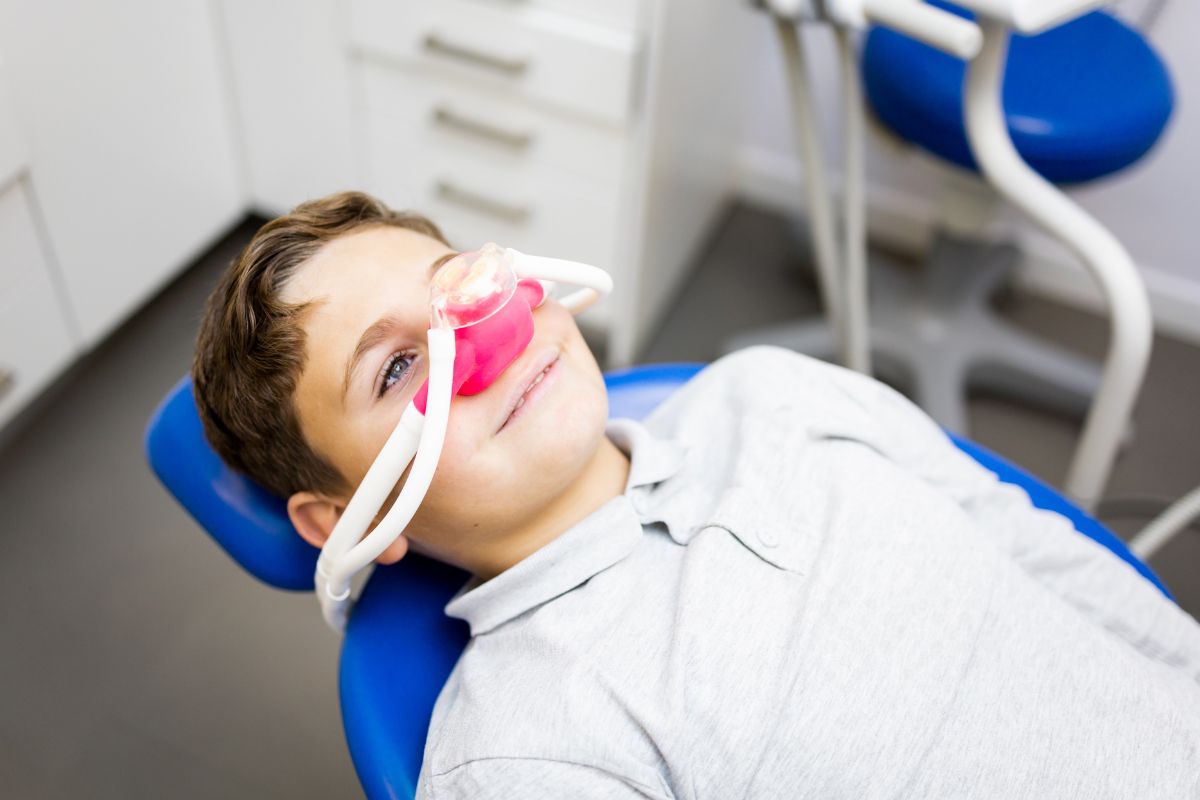
Nitrous oxide is a type of inhaled sedation that dentists may use to help certain patients feel calmer during dental care. Many people also know it as laughing gas.
For children who feel nervous or need extra help staying comfortable, nitrous oxide for kids may help reduce anxiety during treatment. The child remains conscious and can communicate with the dental team.
Children’s Dental Specialists & Adult Dentistry includes nitrous oxide sedation as part of its pediatric dental services and offers personalized behavior management recommendations based on factors such as a child’s health history, treatment needs, and emotional and intellectual development.
A pediatric dentist can evaluate your child’s individual needs and discuss whether nitrous oxide for kids may be appropriate for your family. At Children’s Dental Specialists & Adult Dentistry, this personalized approach can help parents in New Jersey & Pennsylvania understand the available comfort options without assuming that every child needs sedation.
When Nitrous Oxide for Kids May Be Helpful
Some children benefit from additional support during dental treatment. The decision depends on more than whether a child simply says they are afraid.
Your Child Has Significant Dental Anxiety
A child who feels mildly nervous may respond well to reassurance, explanation, and encouragement. However, a child with stronger anxiety may continue to struggle even after the dental team uses these techniques.
Signs of significant anxiety may include:
- Crying before or during treatment
- Refusing to sit in the dental chair
- Becoming increasingly upset when treatment begins
- Having difficulty calming down
- Showing intense fear of dental instruments or procedures
In these situations, nitrous oxide for kids may provide an additional level of support.
Your Child Needs a Longer or More Complex Procedure
A short examination or simple preventive visit may not require sedation. However, longer treatment can become challenging for younger children or children who have difficulty sitting still.
The dentist may consider factors such as:
- How long the procedure may take
- How much cooperation the procedure requires
- Whether the child can remain comfortable throughout treatment
- Whether movement could affect the safety of the procedure
The goal is not to use sedation simply because treatment takes time. Instead, the dentist evaluates whether the child can complete care comfortably and safely with or without additional support.
Your Child Has a Strong Gag Reflex
A strong gag reflex can make certain dental procedures more difficult. Some children struggle when dental instruments or materials trigger the back of the mouth.
Children’s Dental Specialists & Adult Dentistry notes that nitrous oxide and oxygen may help reduce anxiety and gagging as part of its behavior management approach.
Therefore, this option may help some children complete necessary treatment more comfortably.
Your Child Has Difficulty Remaining Still
Children naturally have different levels of energy and attention. A young child may do well during a short cleaning but struggle during a longer procedure that requires more stillness.
A child’s age alone does not determine whether sedation is necessary. Instead, the dental team considers whether the child can cooperate safely for the specific treatment.
When No Sedation May Be the Better Choice
Not every nervous child needs sedation. In fact, many children complete dental visits successfully with supportive behavior techniques alone.
No sedation may be appropriate when a child:
- Feels generally comfortable in the dental office
- Can follow age-appropriate instructions
- Needs only a routine examination or preventive care
- Responds well to reassurance
- Can sit comfortably for the required treatment
- Has successfully completed similar visits before
Children’s Dental Specialists & Adult Dentistry uses approaches such as tell-show-do, positive reinforcement, and distraction to help children understand and feel more comfortable during dental visits.
Building Confidence Without Sedation
For some children, completing a dental visit without sedation can help build confidence for future appointments.
The dental team may explain what will happen in simple language, demonstrate equipment before using it, and praise the child throughout the visit.
This approach can help children learn that dental care does not always need to feel frightening.
However, parents should not view no sedation as automatically better in every situation. The best choice is the one that supports safe, appropriate, and comfortable care for the individual child.
Nitrous Oxide vs. No Sedation: What Does the Dentist Consider?
Parents may wonder how a dentist decides between these options. The decision usually involves several factors rather than one single symptom.
The Child’s Age and Development
Younger children may have more difficulty understanding instructions or remaining still for treatment. However, age is only one consideration.
A calm younger child may cooperate very well, while an older child with significant anxiety may need more support.
The Type of Dental Treatment
Routine preventive appointments often require a different level of cooperation than restorative treatment.
For example, the dentist may consider:
- The expected length of treatment
- The child’s position during the procedure
- The need to remain still
- The complexity of the treatment
- The child’s previous experience with similar care
The Child’s Previous Dental Experiences
Past experiences can influence how a child responds to a future appointment.
A child who previously had a positive visit may feel confident returning to the dentist. On the other hand, a child who had a difficult or stressful experience may feel more anxious.
That does not mean a previous difficult visit automatically makes sedation necessary. Still, it gives the dental team useful information when planning care.
The Child’s Health History
A child’s overall health is also important when discussing sedation options. Parents should provide complete and accurate health information before treatment.
The dental team can then review relevant factors and determine whether a particular approach is appropriate.
What Parents Can Do Before the Appointment
Parents play an important role in helping children feel prepared.
You can support your child by:
- Speaking positively about the dental visit
- Avoiding frightening stories about dental treatment
- Using simple and honest language
- Letting the dental team explain technical details
- Bringing comfort items when appropriate
- Arriving with enough time to avoid feeling rushed
It is also helpful to share any concerns with the dental team before treatment begins.
For example, let the dentist know if your child:
- Has had a difficult dental experience
- Becomes anxious in medical settings
- Has a strong gag reflex
- Has difficulty remaining still
- Takes medications or has relevant health conditions
The more the dental team understands about your child, the better they can personalize the experience.
Comfort Options Beyond Sedation
The choice does not always have to be limited to sedation or no support at all.
Children’s Dental Specialists & Adult Dentistry offers several approaches that can help make dental care more comfortable. These include behavior management techniques and modern treatment options for children.
For example, the practice’s behavior management approach includes:
- Tell-show-do techniques
- Positive reinforcement
- Distraction
- Age-appropriate communication
- Other personalized approaches based on the child’s needs
The practice also offers Solea laser treatment for children and describes it as a technology that can allow many procedures without drills, needles, or numbness.
Therefore, a parent may have several comfort options to discuss depending on the child’s treatment needs.
Questions Parents Should Ask the Pediatric Dentist
If you are unsure whether your child needs additional support, asking questions can help you make an informed decision.
Consider asking:
- Does my child need sedation for this specific procedure?
- What behavior management options can we try first?
- How long will the treatment take?
- How will you help my child stay comfortable?
- What should I expect during the appointment?
- Are there alternatives that may work for my child’s needs?
- How will my child’s health history affect the decision?
A personalized conversation can provide more useful guidance than relying on a general assumption about age or anxiety.
Choosing the Right Comfort Level for Your Child
The decision between nitrous oxide for kids and no sedation depends on your child’s individual needs. Some children can complete dental treatment comfortably with reassurance, positive reinforcement, and behavior guidance. Others may benefit from additional support when anxiety, gagging, treatment length, or difficulty remaining still makes the visit more challenging.
The most important goal is to provide dental care in a way that supports your child’s comfort, safety, and confidence. A pediatric dental team can consider your child’s personality, health history, previous experiences, and treatment needs before recommending the most appropriate approach.
Schedule an appointment to discuss your child’s dental comfort needs and receive personalized guidance about the right approach for their upcoming care.