
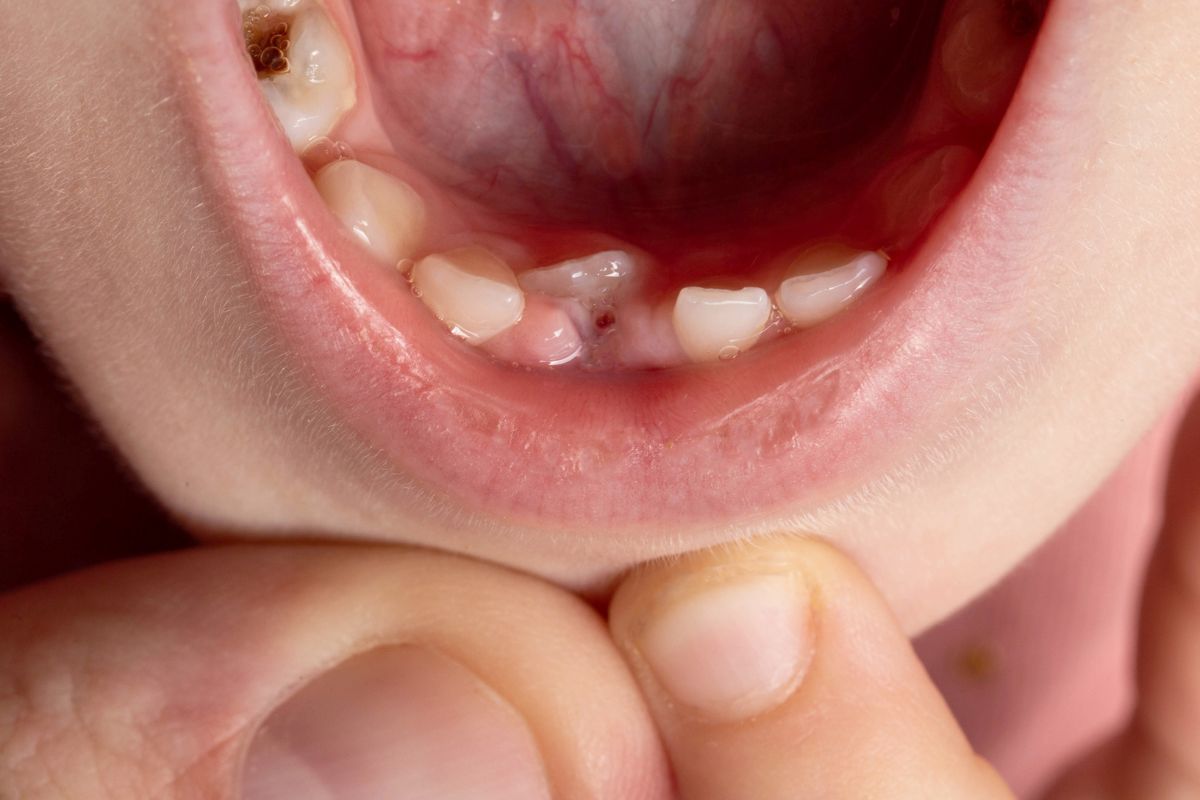
Permanent Tooth Growing Behind a Baby Tooth: What Parents Should Know
Noticing a new tooth behind your child’s baby tooth can be surprising. Parents often wonder whether the adult tooth is growing in the wrong place or whether the baby tooth needs removal. At Children’s Dental Specialists & Adult Dentistry, serving families in Warren, Chester, and Warrington, parents can get guidance on their child’s changing smile and developing teeth.
In many children, this pattern appears when a permanent lower front tooth starts to erupt before the baby tooth falls out. Some families call it “shark teeth” because two rows of teeth appear at once. Although the sight may look unusual, it does not always mean something is wrong.
Still, every child develops at a different pace. Understanding why this happens, what to watch for, and when to seek professional advice can help you respond calmly and protect your child’s oral health.
Why Is a Permanent Tooth Growing Behind a Baby Tooth?
A permanent tooth normally develops beneath or near its baby tooth. As it grows, it helps stimulate the roots of the baby tooth to break down. The baby tooth then loosens and falls out, making room for the adult tooth.
Sometimes, however, the permanent tooth erupts before the baby tooth has fallen out. This can leave the adult tooth visible behind the remaining baby tooth, especially in the lower front area.
If you notice this pattern, a trusted dentist can check whether the baby tooth is loosening as expected and whether the permanent tooth has enough room to move into position.
Is This Common in Children?
Yes, it can happen during the mixed-dentition stage, when children have both baby teeth and permanent teeth. Lower front adult teeth often erupt around the same general period when children begin losing their baby incisors, although timing varies.
The important point is to look at the whole picture. A loose baby tooth with a new tooth behind it may need only monitoring, while a firm baby tooth or signs of crowding may require an examination.
What Causes Two Rows of Teeth?
Several factors can explain why the adult tooth appears before the baby tooth falls out. The exact cause depends on your child’s development and the position of the teeth.
1. The Baby Tooth Has Not Loosened Enough
Sometimes, the roots of the baby tooth have not broken down enough for it to fall out. Meanwhile, the permanent tooth continues to move toward the mouth.
As a result, the adult tooth may emerge behind the baby tooth. If the baby tooth begins to loosen naturally, the situation may resolve without treatment.
However, do not force a baby tooth out if it remains firmly attached or causes pain. Your dentist can determine whether it is ready to fall out.
2. The Permanent Tooth Follows a Different Path
Permanent teeth do not always erupt directly beneath the baby teeth. The developing tooth may follow a path that brings it through the gum behind the baby tooth.
As the permanent tooth continues to emerge, pressure from the tongue and surrounding tissues may help it move toward a more typical position. However, this does not happen the same way in every child.
A dental examination can help assess the tooth’s position and whether it has enough room to move.
3. Crowding or Limited Space
A child’s jaw may not have enough space for all the developing permanent teeth. In that case, a new tooth may emerge behind or in front of the expected position.
Crowding can also affect how the remaining baby teeth loosen and fall out. If several teeth overlap or permanent teeth erupt in unusual positions, your dentist may recommend monitoring or an orthodontic evaluation.
4. Differences in Tooth Development
Children develop at different rates. Some lose baby teeth earlier, while others keep them longer. A difference in timing does not automatically indicate a dental problem.
Nevertheless, a baby tooth that remains firm long after its expected shedding period deserves attention. Your dentist can assess whether the tooth is simply developing slowly or whether another issue affects eruption.
What Should Parents Do at Home?
When you first notice an adult tooth behind a baby tooth, stay calm and avoid trying to correct its position yourself.
Use these simple steps:
- Check whether the baby tooth moves: Ask your child whether it feels loose, but do not pull or twist it forcefully.
- Keep brushing: Help your child clean both teeth gently, including the gumline.
- Clean between the teeth carefully: Food can collect in the narrow space between the two teeth.
- Watch for discomfort: Note whether your child has pain, bleeding, swelling, or difficulty eating.
- Avoid hard pulling: Do not use string, tools, or other home methods to remove a firmly attached baby tooth.
- Keep routine dental visits: Regular examinations help track tooth eruption and identify crowding early.
If the baby tooth loosens naturally, it may fall out during ordinary eating or brushing. However, do not assume that every double row of teeth will resolve on its own.
When Does a Child Need Dental Treatment?
A dentist may recommend monitoring when the baby tooth feels loose and the permanent tooth continues to emerge without significant discomfort. In other cases, treatment may help prevent further problems.
Arrange an examination if:
- The baby tooth remains firmly in place.
- The adult tooth continues to emerge while the baby tooth shows little movement.
- Several teeth appear crowded or overlap.
- Your child experiences pain while chewing.
- The gums become swollen or bleed repeatedly.
- Your child has difficulty cleaning the area.
Seek prompt care if swelling develops with fever, pus, or worsening pain. These signs may indicate an infection rather than routine tooth eruption.
Might the Baby Tooth Need Removal?
Sometimes, the dentist may recommend removing a baby tooth that does not loosen on its own. The decision depends on the tooth’s condition, the permanent tooth’s position, and your child’s development.
Removal is not necessary in every case. Your dentist will examine the area and explain whether waiting, monitoring, or treatment offers the best option.
Will the Permanent Tooth Move Into the Correct Position?
In some children, the permanent tooth gradually moves forward after the baby tooth falls out. The tongue and normal oral function may help guide it toward the dental arch.
However, the outcome depends on the amount of available space and the direction of eruption. If crowding limits movement, the tooth may remain out of alignment.
Your dentist can monitor the tooth over time and recommend an orthodontic consultation when appropriate. Early assessment does not mean your child will automatically need braces. It simply helps identify whether the teeth are developing as expected.
The American Academy of Pediatric Dentistry offers useful oral health information for parents, including guidance on the role of baby teeth in normal development.
How Can Regular Dental Visits Help?
Routine dental visits allow the dentist to track which teeth have erupted, which baby teeth remain, and whether the adult teeth have enough room. These checks can also reveal decay, gum inflammation, and other concerns that may affect your child’s comfort.
Additionally, a dental professional can show your child how to clean around overlapping teeth. This matters because food and plaque can collect in places that are harder to reach with a toothbrush.
When parents know what to expect, they can help children feel less anxious about changes in their smiles.
Monitor the Tooth and Get Advice When Needed
A permanent tooth growing behind a baby tooth can be a normal part of childhood dental development. Often, the baby tooth loosens and falls out as the adult tooth continues to emerge. However, persistent baby teeth, crowding, pain, or swelling deserve professional attention.
If you notice two rows of teeth or are unsure whether your child’s tooth is developing normally, schedule an appointment with Children’s Dental Specialists & Adult Dentistry at the Warren, Chester, or Warrington location. A dental examination can help you understand your child’s needs and determine whether monitoring or treatment makes sense.