
How Often Should Kids Go to the Dentist? A Parent’s Guide
Knowing how often should kids go to the dentist can help parents build healthy habits before small dental concerns become bigger problems. For families in Warren, Chester, and Warrington, Children’s Dental Specialists & Adult Dentistry provides child-focused dental care that supports healthy smiles from infancy through the teen years. Regular visits can help monitor growing teeth, identify concerns early, and give parents practical guidance for maintaining good oral health at home.
For most children, a routine checkup every six months offers a useful starting point. However, every child has different needs. A child with a history of cavities, tooth sensitivity, dental injuries, enamel concerns, or other oral health risks may need more frequent visits. The American Academy of Pediatric Dentistry recommends that children have their first oral examination when the first tooth appears or no later than their first birthday.
How Often Should Kids Go to the Dentist?
For many healthy children, how often kids should go to the dentist usually means scheduling a visit about twice a year. These regular appointments allow the care team to monitor tooth development, check the gums, look for early signs of decay, and provide age-appropriate guidance.
Still, the six-month schedule should not become a rigid rule for every child. The AAPD notes that visit frequency can change based on a child’s risk for oral disease and individual needs.
A Simple Schedule for Parents
A general approach looks like this:
- Before age 1: Plan the first visit by the child’s first birthday or within six months of the first tooth appearing.
- Toddlers: Continue regular examinations so the team can monitor developing teeth and teach parents effective home care.
- School-age children: Maintain routine visits while permanent teeth begin to replace primary teeth.
- Tweens and teens: Continue preventive care while monitoring hygiene, tooth alignment, sports-related risks, and other changing needs.
This schedule gives families a dependable starting point while leaving room for personalized recommendations.
When Should a Child Have Their First Dental Visit?
Parents sometimes wait until all of their child’s baby teeth have appeared. However, early care matters long before that happens.
The AAPD recommends an initial examination when the first tooth erupts and no later than 12 months of age. This early appointment can help parents understand brushing, feeding habits, fluoride use, and ways to reduce the risk of early childhood cavities.
At Children’s Dental Specialists & Adult Dentistry, your trusted pediatric dentist at the practice can also help parents understand what to expect during early visits and how to make oral care comfortable for a young child.
Why Start So Early?
Baby teeth help children chew, speak, and maintain space for developing permanent teeth. Although these teeth eventually fall out, they still need proper care.
An early visit can help parents:
- Learn how to clean an infant’s gums and teeth.
- Choose an age-appropriate toothbrush.
- Understand appropriate toothpaste amounts.
- Identify habits that may increase the risk of decay.
- Ask questions about thumb-sucking or pacifier use.
- Establish a positive routine around oral care.
Starting early also gives children the opportunity to become familiar with the dental setting before they experience a problem.
What Happens During a Routine Visit?
Parents may imagine that every appointment involves extensive treatment. In reality, routine visits often focus on prevention, education, and monitoring.
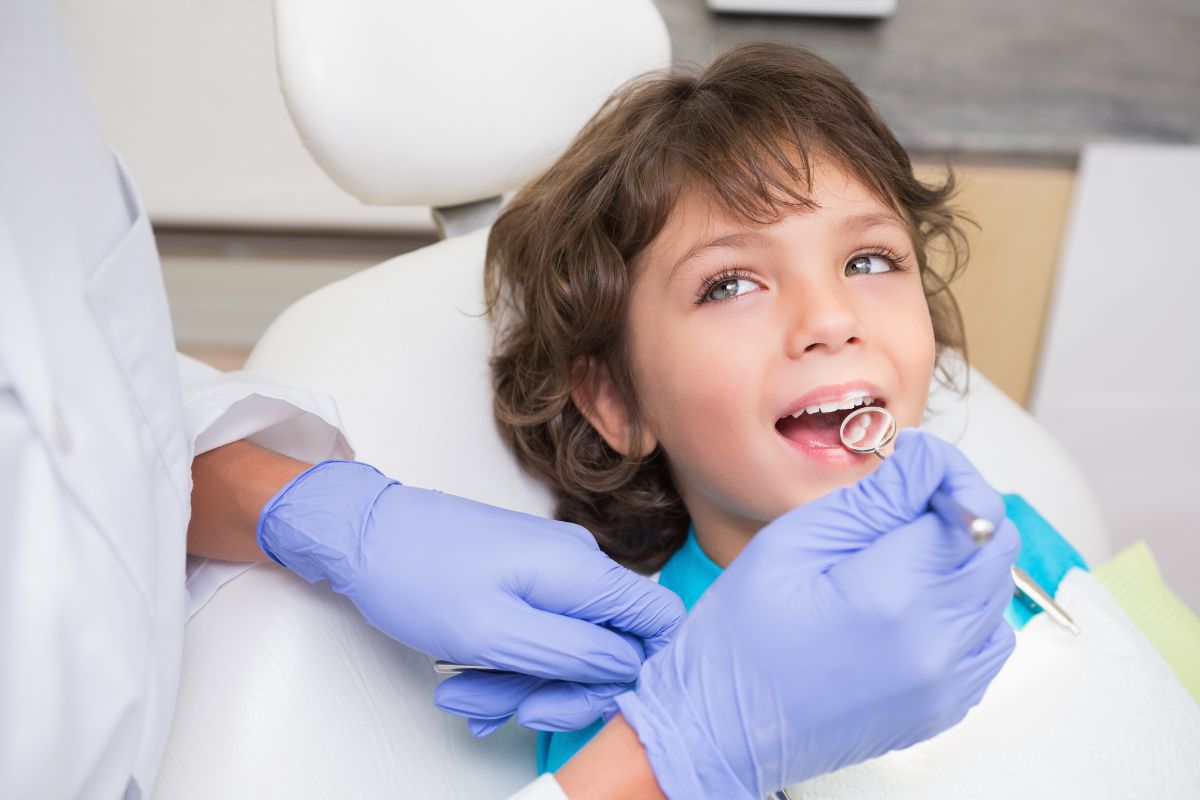
At Children’s Dental Specialists & Adult Dentistry, a regular recall appointment can include several steps designed around the child’s comfort. The practice describes a process that includes welcoming the child, examining the mouth, cleaning the teeth, providing education, discussing concerns, and wrapping up with positive encouragement.
1. A Comfortable Welcome
A positive first interaction can shape how a child feels about future visits. Children may have questions or feel nervous, so a calm introduction gives them time to become comfortable.
2. A Thorough Examination
The oral health team examines the teeth, gums, and soft tissues of the mouth. If the examination identifies a concern, the parent and child can discuss the next steps with the appropriate provider.
3. Professional Cleaning
If plaque has hardened into tartar, professional cleaning can help remove deposits that regular brushing cannot eliminate completely.
However, professional cleaning does not replace daily home care. Children still need consistent brushing and cleaning between their teeth.
4. Age-Appropriate Education
Children learn differently at different ages. A young child may need help understanding how to hold a toothbrush, while an older child may need reminders about flossing, food choices, or protecting the mouth during sports.
CDS Smile includes education about brushing, flossing, rinsing, food choices, mouthguards, and fresh breath as part of its child-focused approach.
Why Regular Visits Matter Even When a Child Has No Pain
One of the most important reasons to understand how often should kids go to the dentist is that dental problems do not always cause obvious symptoms at first.
A child may have an early cavity without complaining about pain. Likewise, changes in tooth eruption or alignment may become easier to manage when noticed early.
Regular visits can help monitor:
- Tooth development
- Gum health
- Early signs of tooth decay
- Oral hygiene habits
- Tooth eruption
- Bite development
- Potential orthodontic concerns
- Dental injuries
- The need for preventive treatments
The AAPD emphasizes early professional intervention and ongoing care based on each child’s individual needs.
Does Every Child Need a Six-Month Visit?
Parents often ask how often should kids go to the dentist if their child has healthy teeth and brushes well every day.
For many children, six-month checkups provide a practical routine. The AAPD states that a checkup every six months is recommended as a general approach, while also noting that the appropriate frequency can depend on the child’s personal oral health.
Therefore, parents should follow the schedule recommended for their child rather than assuming that one interval works for everyone.
A child who has repeated cavities, certain medical or developmental considerations, enamel problems, or other risk factors may require closer monitoring.
Signs Your Child May Need a Visit Sooner
Routine appointments are important, but parents should not wait for the next scheduled checkup when something appears unusual.
Contact your child’s dental office if you notice:
- Tooth pain or persistent sensitivity
- Swelling around a tooth or gum
- Bleeding gums that continues
- A chipped, cracked, or broken tooth
- A tooth that becomes loose after an injury
- Dark or white spots on a tooth
- Difficulty chewing
- Persistent bad breath despite good oral hygiene
- Changes in the way your child bites
- Problems with tooth eruption
Dental injuries deserve particular attention. If a permanent tooth becomes damaged or is knocked out, seek professional guidance promptly rather than waiting for a routine appointment.
How Parents Can Support Healthy Teeth Between Visits
Knowing how often should kids go to the dentist is only one part of maintaining good oral health. What happens at home matters just as much.
Build a Consistent Brushing Routine
Children should brush regularly with fluoride toothpaste appropriate for their age. Younger children often need hands-on help because they may not yet have the coordination needed to clean every surface effectively.
As children become more independent, parents can continue supervising until the child consistently demonstrates good technique.
Clean Between the Teeth
Brushing cannot reach every area between teeth. Cleaning between teeth helps remove food and plaque from spaces a toothbrush may miss.
Pay Attention to Food and Drinks
Frequent exposure to sugary foods and drinks can contribute to tooth decay. Parents can support healthier habits by offering balanced meals and choosing water regularly.
CDS Smile also advises parents to avoid putting children to bed with anything other than water.
Protect Teeth During Sports
Children who participate in contact or high-impact sports may benefit from a properly fitted mouthguard. The practice specifically includes mouthguard education and custom-fitted mouthguards among preventive care discussions.
How Can Parents Make Visits Easier for Children?
Some children feel nervous about unfamiliar places or procedures. Parents can help by keeping conversations positive and simple.
Try these approaches:
- Explain that the visit helps keep their smile healthy.
- Avoid using frightening words when discussing treatment.
- Let your child ask questions.
- Bring a familiar comfort item for a younger child if appropriate.
- Avoid making promises about what will or will not happen.
- Praise your child’s cooperation after the visit.
Child-focused behavior management can also help. Children’s Dental Specialists & Adult Dentistry describes personalized recommendations based on factors such as the child’s health history, treatment needs, emotional development, and intellectual development.
When Should the Visit Schedule Change?
The answer to how often should kids go to the dentist can change as children grow.
For example, a child who develops several cavities may need closer follow-up. Similarly, a child with a dental injury may need an additional examination. As permanent teeth emerge, the care team may also monitor bite development and determine whether an orthodontic evaluation could be helpful.
The AAPD’s current guidance emphasizes individualized care and states that recommendations may need modification for children with special health care needs or oral disease.
Therefore, parents should think of six months as a common starting point rather than an absolute rule.
What Should Parents Remember?
The biggest takeaway from how often should kids go to the dentist is that consistency matters.
A good routine generally includes:
- An early first visit by age 1.
- Regular preventive examinations, often about every six months.
- Additional visits when a child has specific oral health risks.
- Daily brushing and cleaning between teeth.
- Healthy eating and drinking habits.
- Prompt attention to pain, swelling, injuries, or unusual changes.
- Ongoing communication between parents, children, and the dental care team.
Regular visits give families an opportunity to prevent problems instead of waiting until a child experiences discomfort.
Understanding how often should kids go to the dentist helps parents create a reliable routine for preventive care. Most children benefit from regular visits about every six months, while some may need appointments more frequently based on their oral health and risk factors. The first visit should take place when the first tooth appears or no later than the child’s first birthday.
For families looking for personalized pediatric dental care, Children’s Dental Specialists & Adult Dentistry provides child-focused services in Warren, Chester, as well as Warrington. The practice focuses on helping children feel comfortable while supporting healthy development and preventive habits.
Schedule an appointment at the Children’s Dental Specialists & Adult Dentistry office, to discuss your child’s preventive care needs.